
Dubai’s Shared Housing Law: What Tenants and Landlords Need to Know
Dubai has a new rulebook for shared housing, and it’s not a minor update. Law No. 4 of 2026 brings bed-space rentals, subdivided apartments, and informal co-living arrangements — much of it previously run through WhatsApp groups and verbal agreements — under a formal permit system for the first time.
What the Law Actually Covers
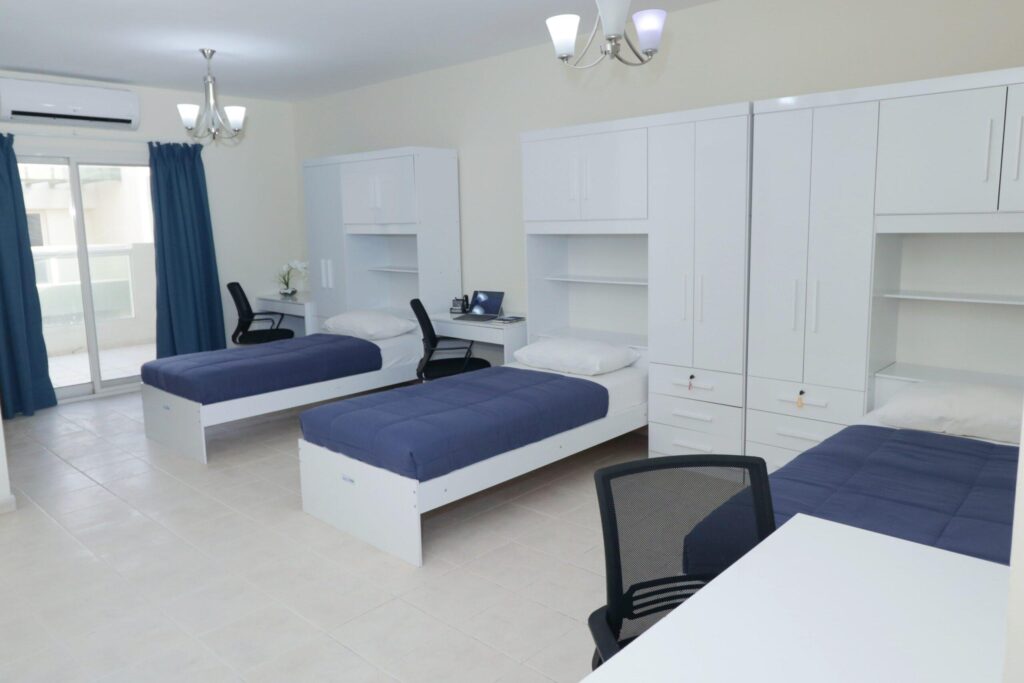
The law targets exactly the grey areas that have been common in Dubai’s rental market for years: overcrowded apartments, illegal room partitions, bed-space rentals, and subletting arranged informally rather than through a documented lease. All of it now falls under a single regulatory framework covering property owners, licensed operators, companies managing units on an owner’s behalf, and the residents living in them — across the whole of Dubai, including free zones.
The Permit System, in Plain Terms
No one can offer a unit for shared housing without a permit from Dubai Municipality first. Permits run for one year and need renewing annually, and the unit itself has to meet set standards for occupancy limits, minimum space per resident, and safety facilities before it qualifies. Advertising a shared unit without a valid permit is a violation on its own — that covers listings, social media, and classifieds, not just formal ads. Dubai Municipality sets the standards and issues permits through a unified digital platform; the Dubai Land Department keeps the electronic registry and works alongside it on enforcement.

The Fines Are Real Money
Penalties range from AED 500 to AED 500,000 depending on the violation, and repeat breaches within the same year double the fine, up to a maximum of AED 1 million. Beyond the fine, authorities can suspend the shared housing activity for up to six months, cancel the permit outright, revoke the operator’s commercial licence, disconnect utilities until the issue is fixed, or order an eviction from a non-compliant unit. This isn’t a light-touch registration scheme — it’s built to actually be enforced.

The Compliance Window Is Now
The law takes effect 180 days after its publication in Dubai’s Official Gazette, and anyone already operating shared housing before that date gets one year from the effective date to regularise — get the permit, meet the occupancy and safety standards, and get residents onto documented leases. That transition clock is running now, not at some point in the future. If you’re a landlord currently renting out a subdivided unit or bed spaces informally, the window to sort this out before it becomes a fine is a matter of months, not years.
What This Means for You
If you’re renting a bed space or a shared room, it’s worth asking the landlord or operator directly whether the unit holds a valid Dubai Municipality permit — not just taking the listing’s word for it, since advertising without one is itself now illegal. If you’re a landlord or property manager running shared units, the practical move is the same one that applies to any new compliance deadline: don’t wait for enforcement to start before finding out what you actually need to do.
For everything else moving in Dubai’s rental market right now, see our latest coverage on the off-plan market.
Subscribe to our newsletter to stay up to date about the A to Zs of Dubai!